© Benito Marcote
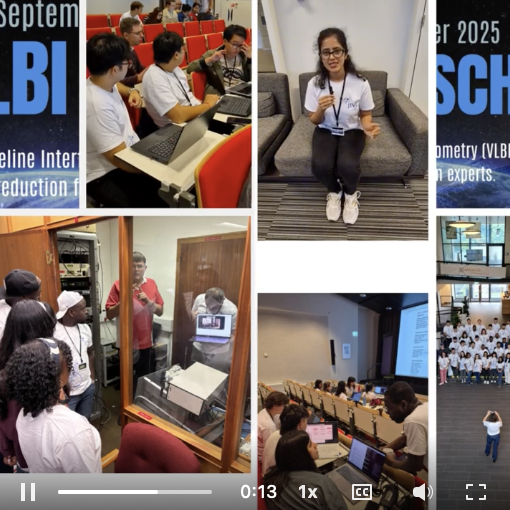
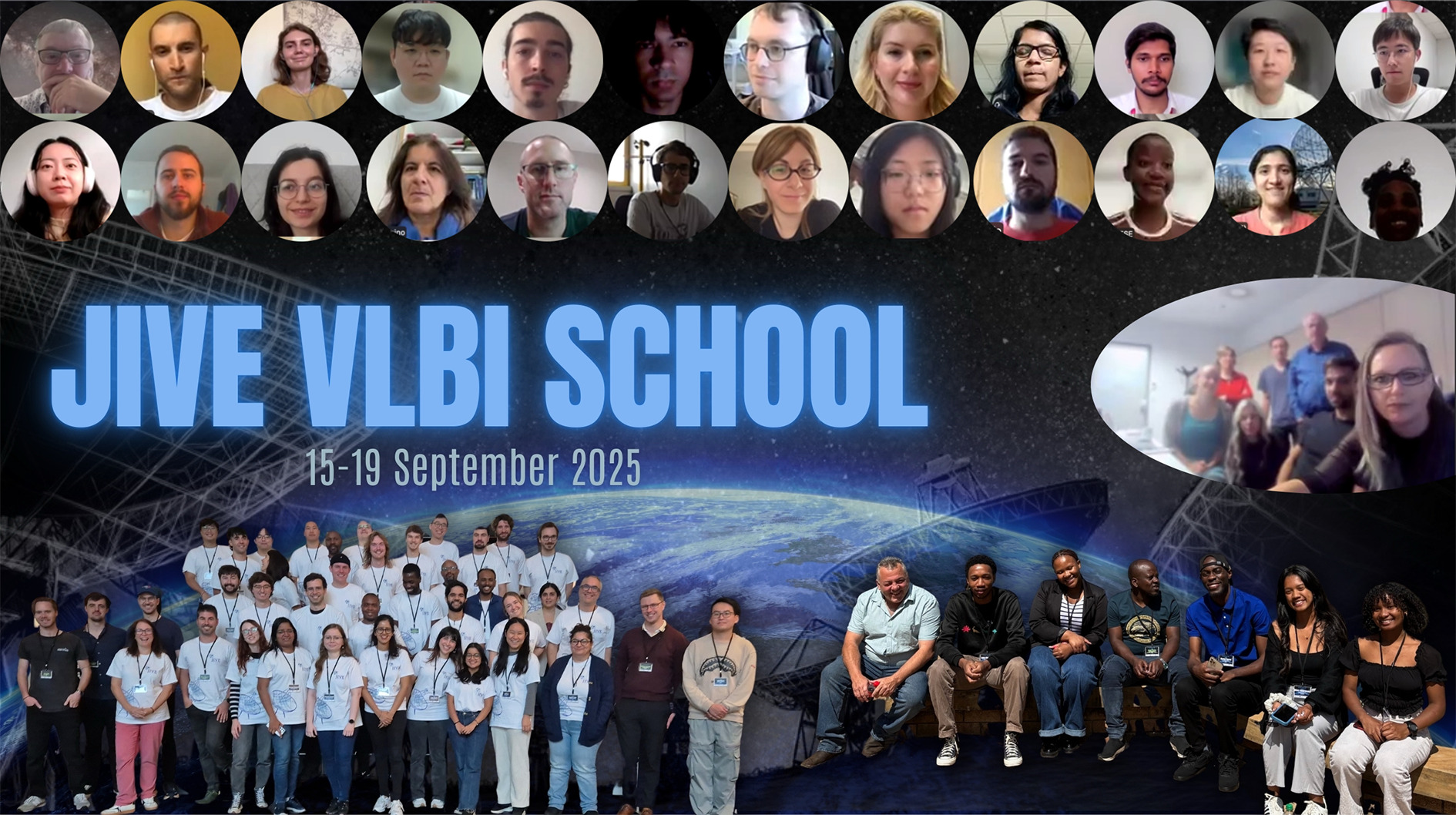
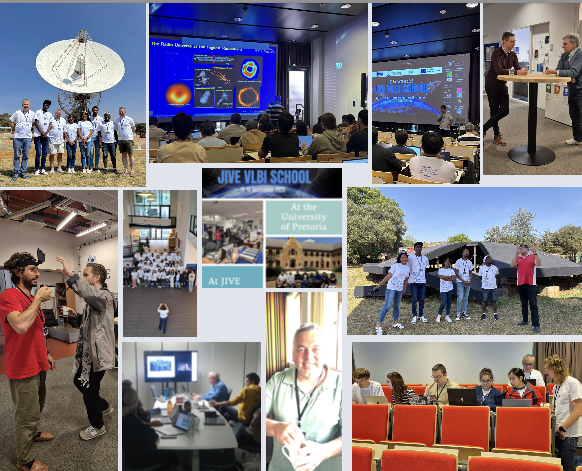
After a 25-year hiatus, the JIVE Very Long Baseline Interferometry School (JVS) returned from 15 to 19 September 2025, offering an intensive, week-long introduction to VLBI and EVN data reduction. Organised by JIVE in collaboration with the University of Pretoria and supported by the ACME project, the school was delivered in a hybrid format, with hubs at JIVE, the University of Pretoria, and Budapest, as well as significant online participation.
The participants at the JIVE VLBI School followed the full VLBI data path: observations taken in real time on Tuesday, data distributed the same evening, and analysis from Wednesday to Friday. The 197 participants from 52 countries joined through a hybrid, multi-hub format, with groups at JIVE, Pretoria, Budapest, and others connected remotely.
Through lectures, hands-on sessions in small groups, and visits to the JIVE correlator and the Dwingeloo telescope, they gained a complete view of the VLBI process.
Multi-hub events may be the way to go, helping reach regions with fewer resources and inspiring the next generation of VLBI researchers worldwide.
Videos
- Paul Boven, JIVE scientist, giving a tour at the Dwingeloo Radio Telescope.
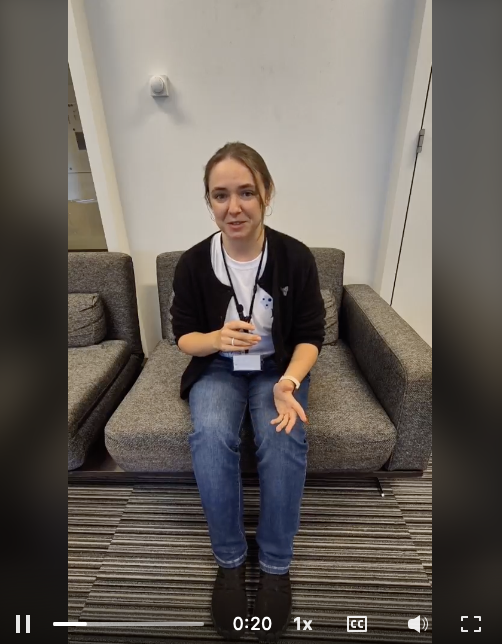
- Participant Video Testimonials: Why Learn VLBI Imaging?
A.F. Herinarivo and Miora Randrianasy (University of Antananarivo), Teep Chairin (Backend Processing Engineer, National Astronomical Research Institute of Thailand - NARIT), Mattias Lazda (JVS tutor, University of Toronto), Valente Cuambe (RAEGE-Az), Ruan de Lange (System Engineer, MeerKAT) share with us why they are interested in Very Long Baseline Interferometry.
- Watch more video testimonials posted on JIVE's LinkedIn (#VoicesJVS2025):


Aditya Tamar, A.F. Herinarivo and Miora Randrianasy